
Antigone
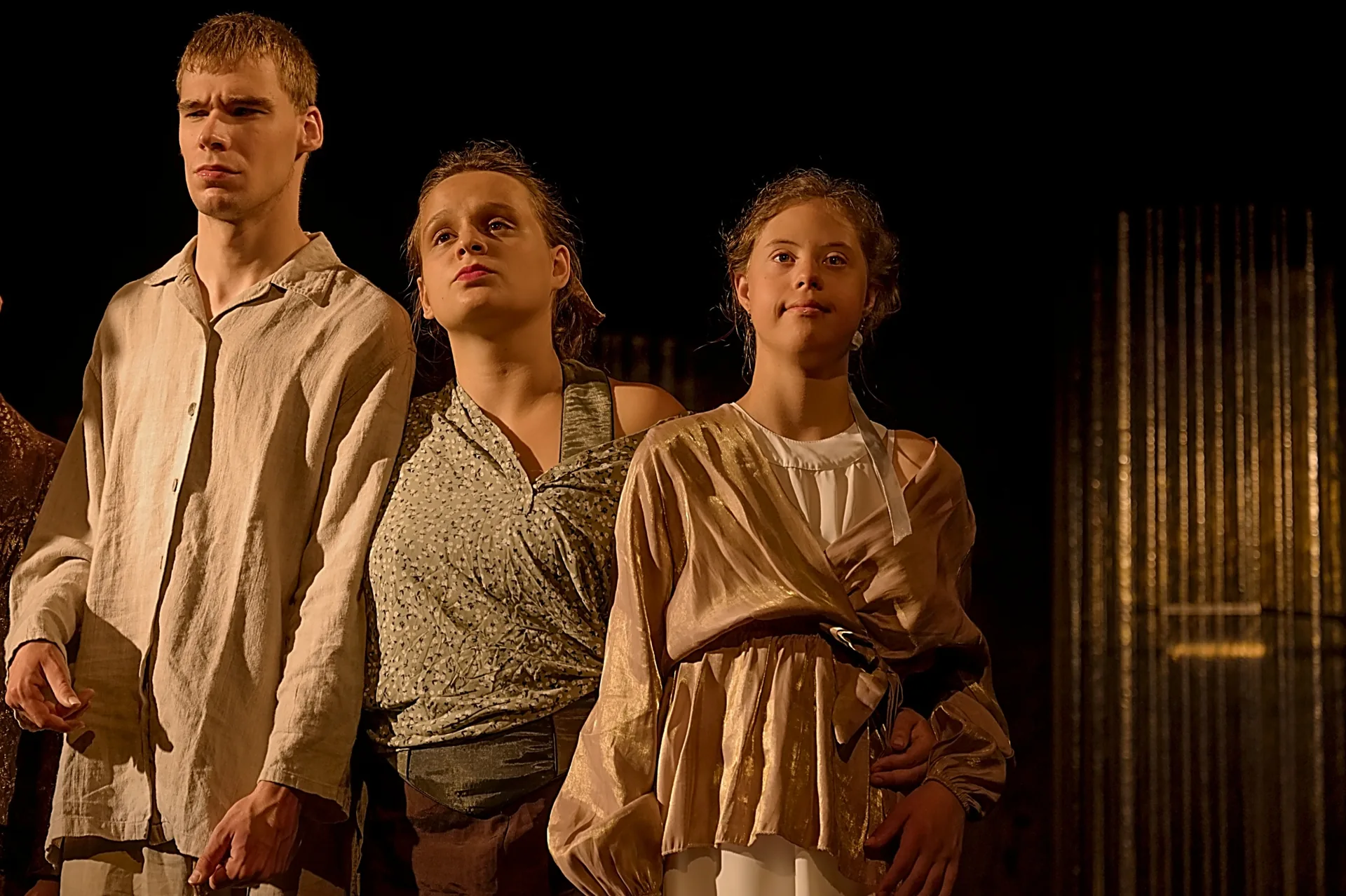
Two brothers die fighting each other. The ruler Creon orders one of them buried with full honours, but forbids the burial of the other. The brothers have two sisters: Ismene decides to submit to the orders, while Antigone defies them and, despite the ban, buries her second brother as well. Creon condemns her to death. As Antigone walks to her death, Creon realises that his order went against the will of the gods. His moment of insight comes too late, however: Antigone has taken her own life, and others die with her.
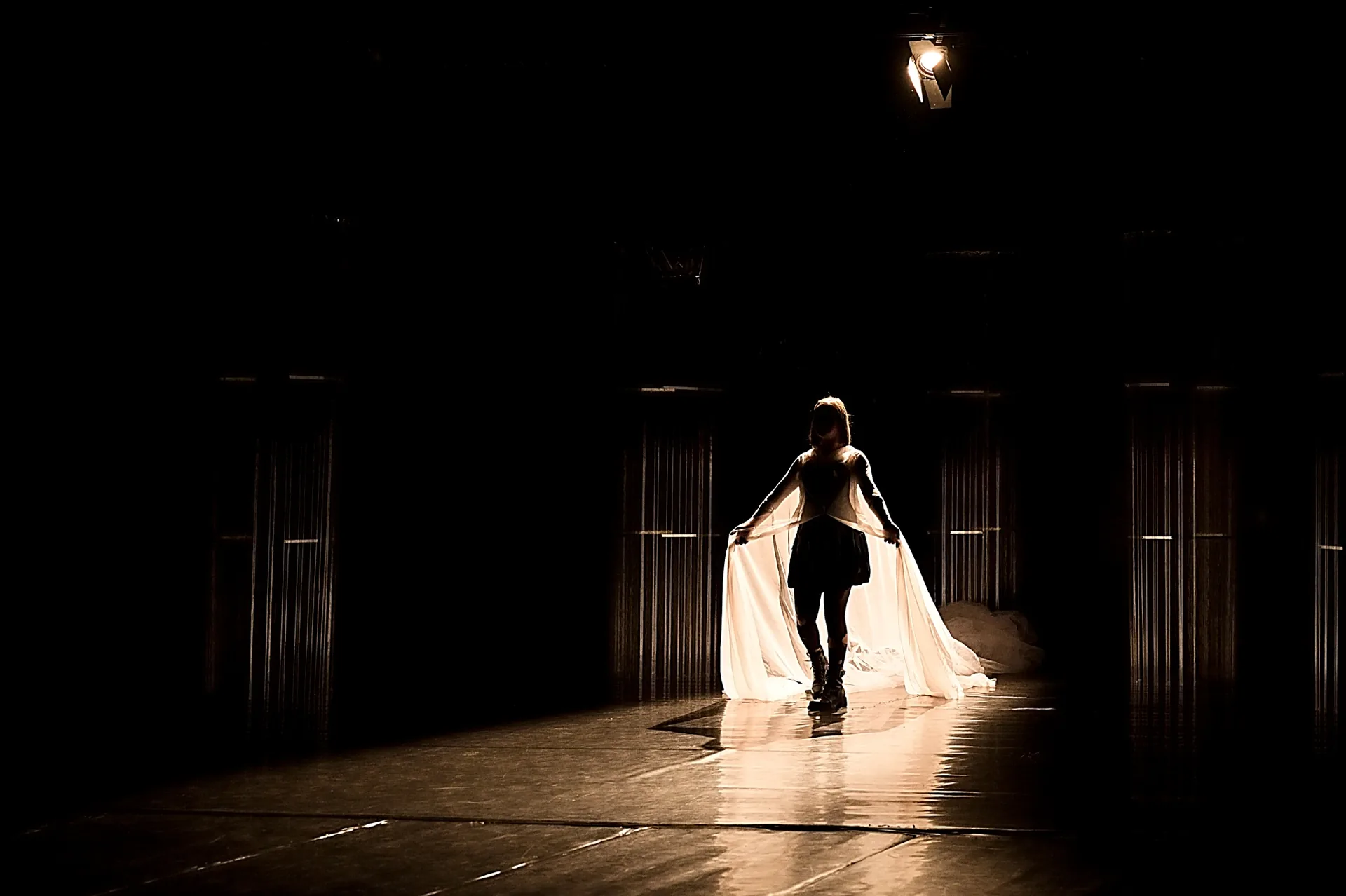
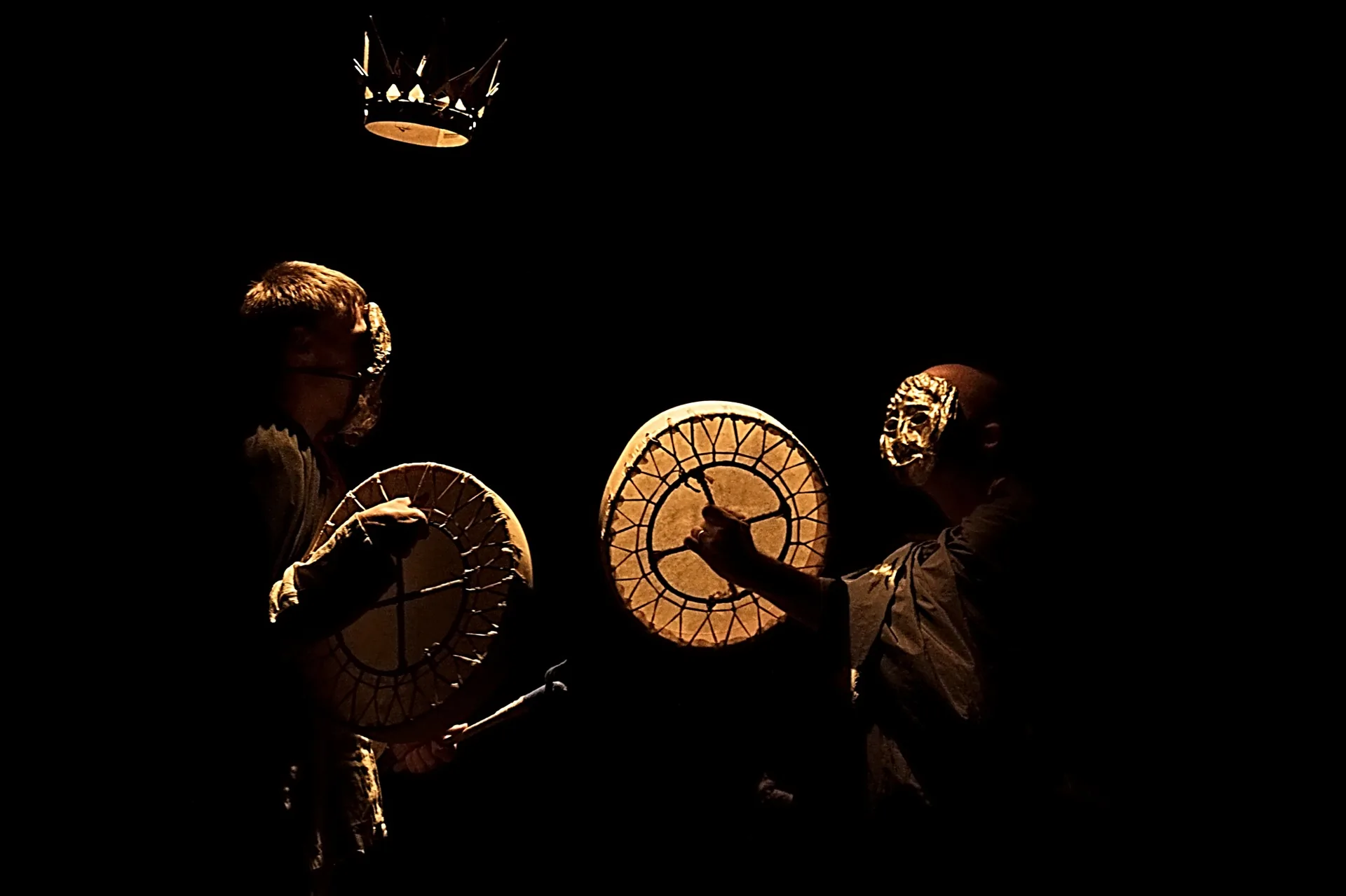
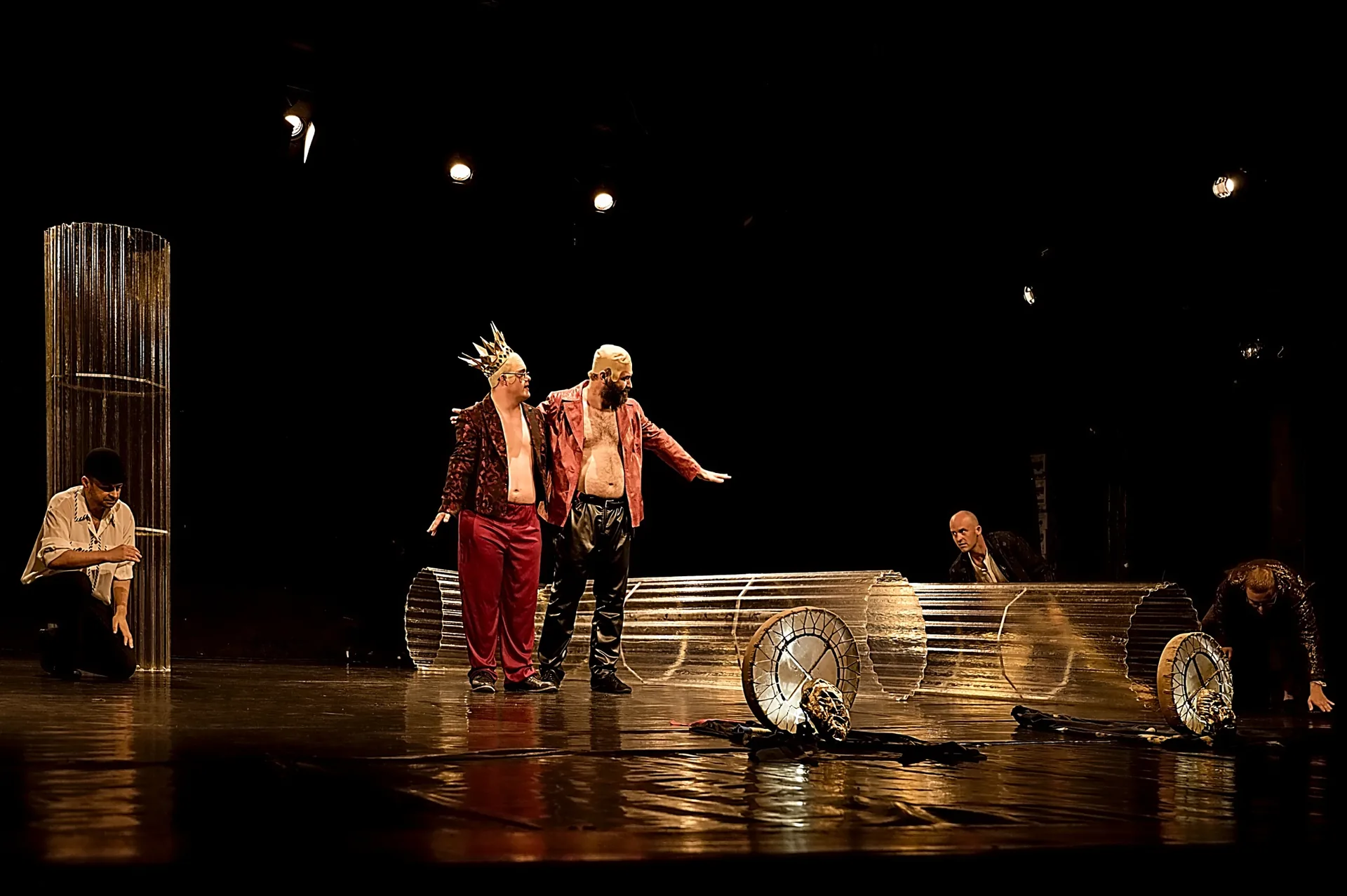
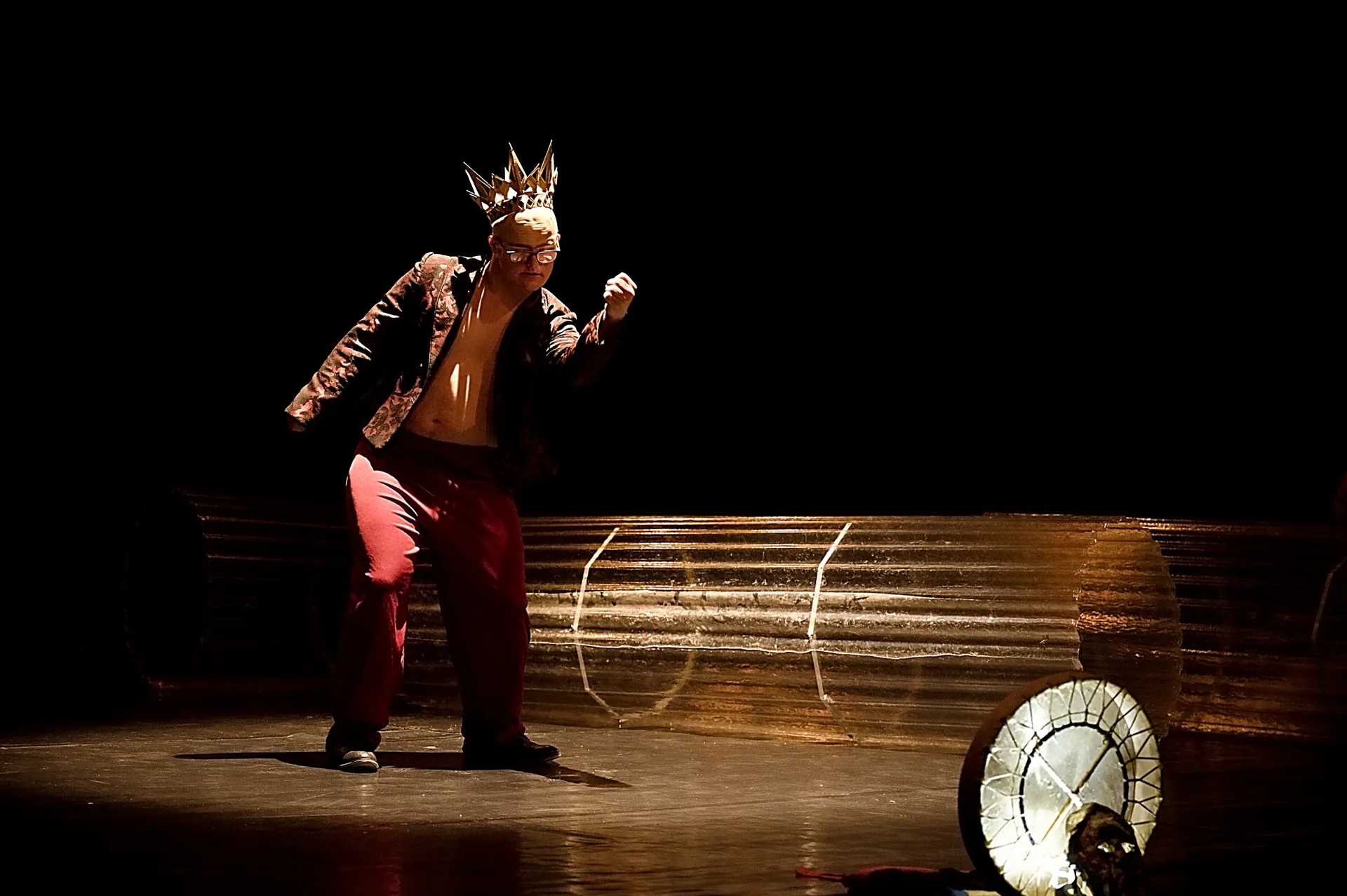
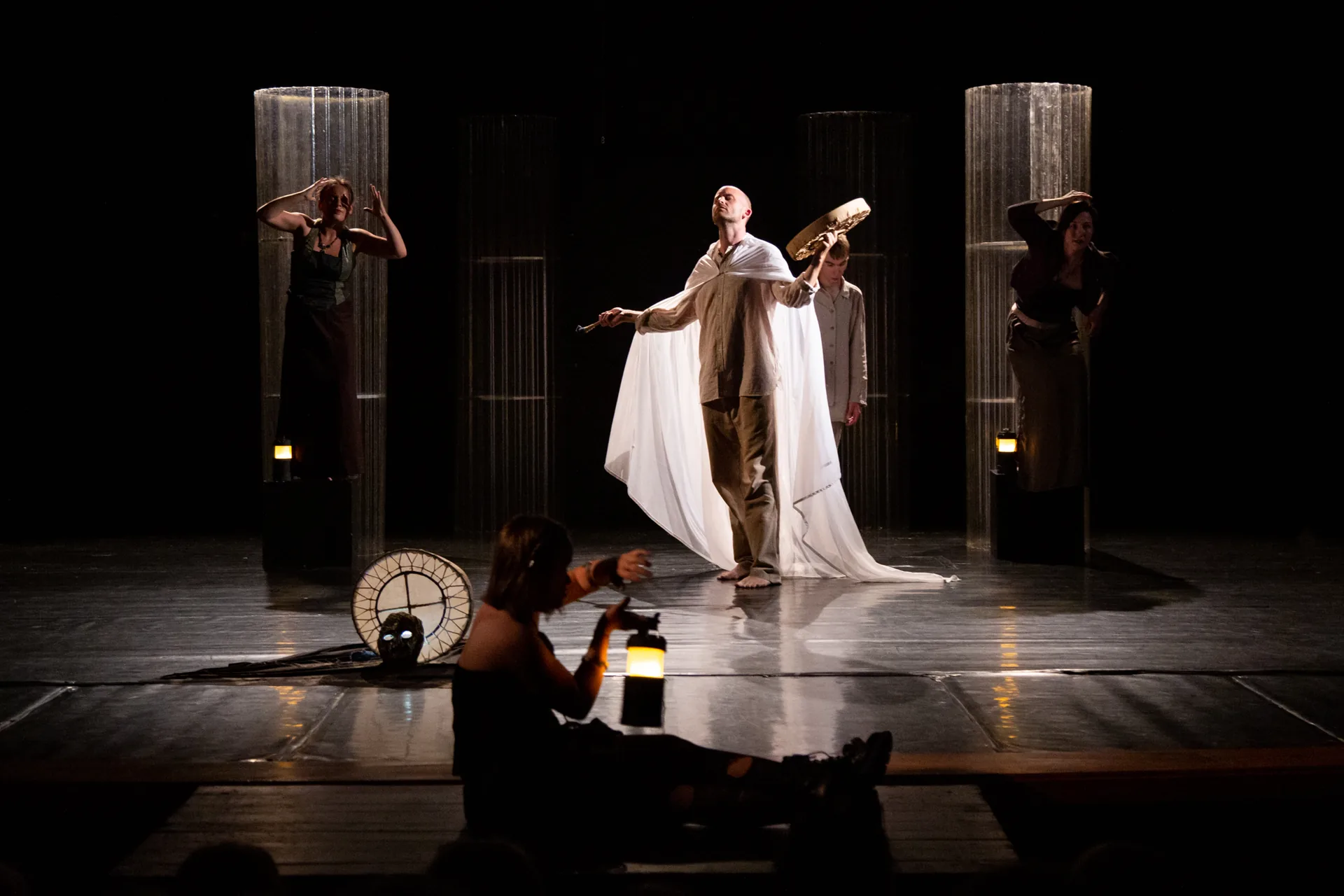
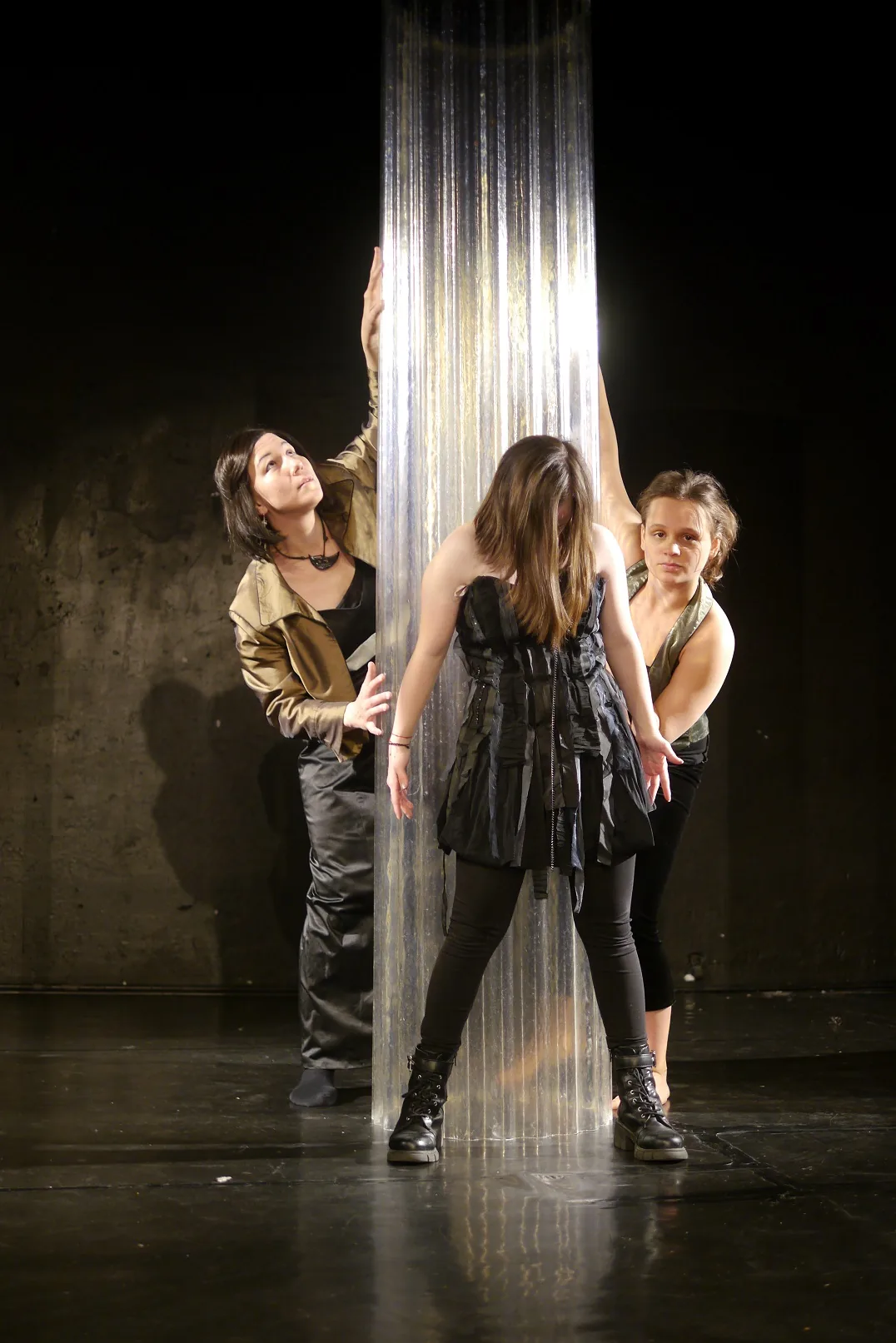
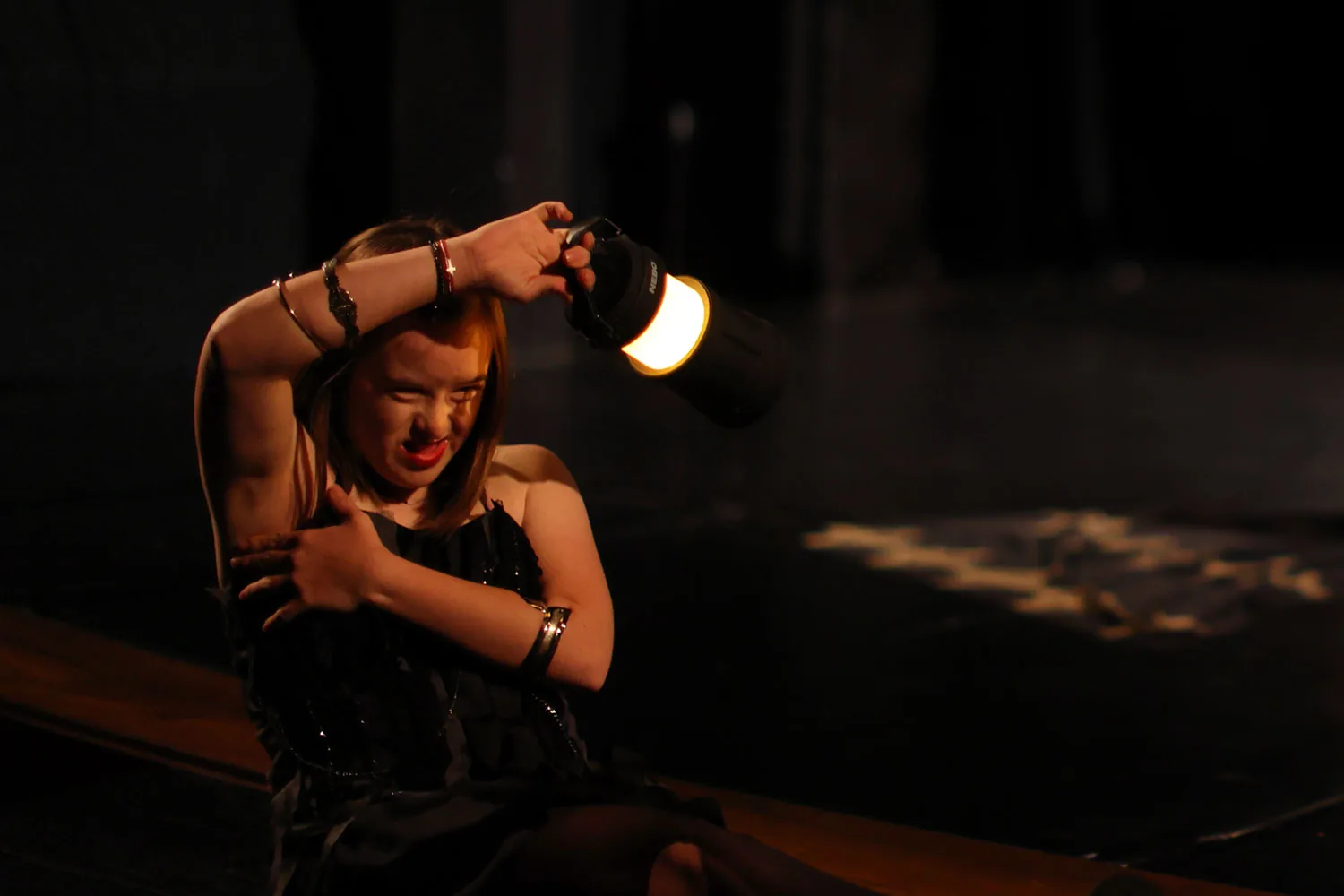
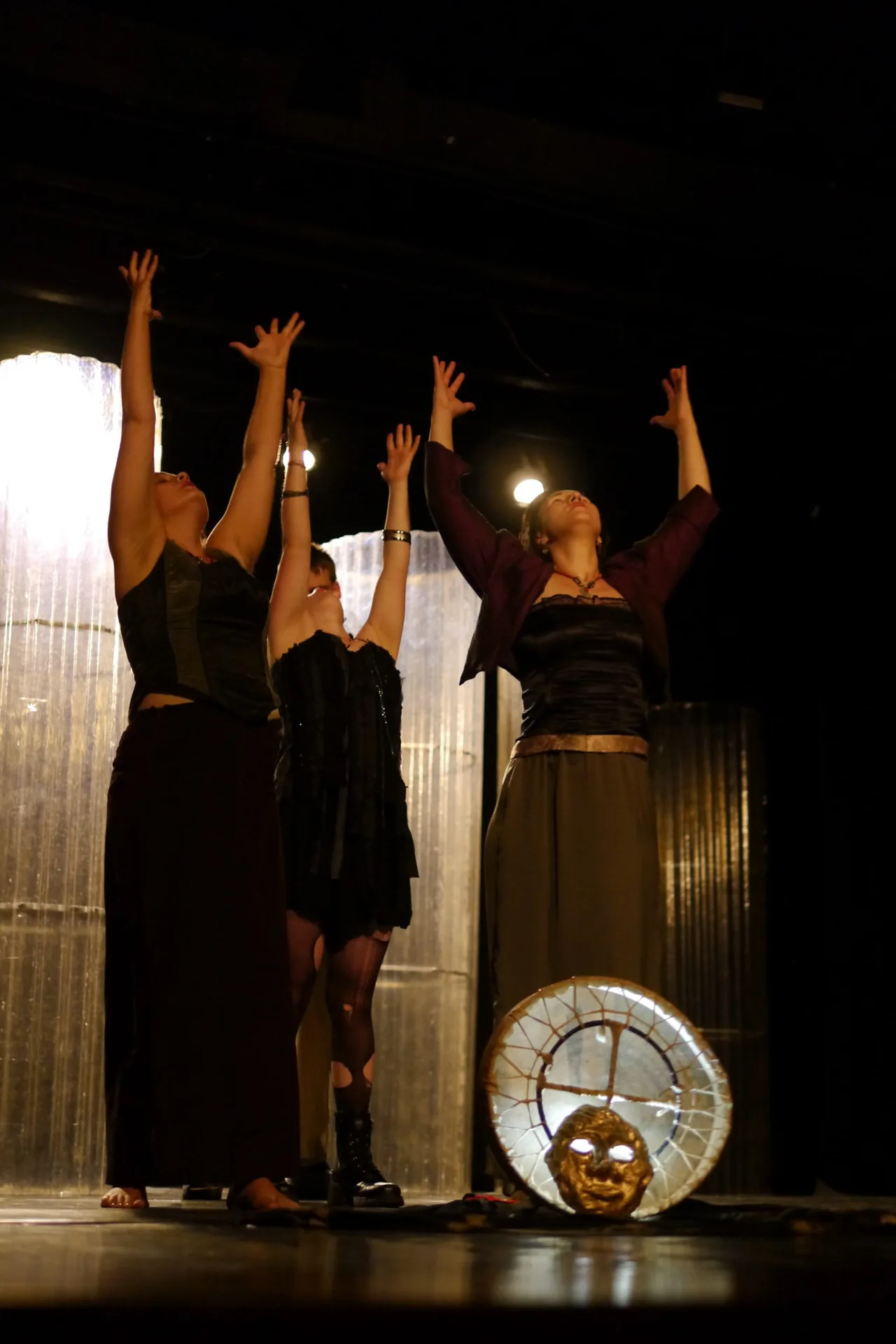
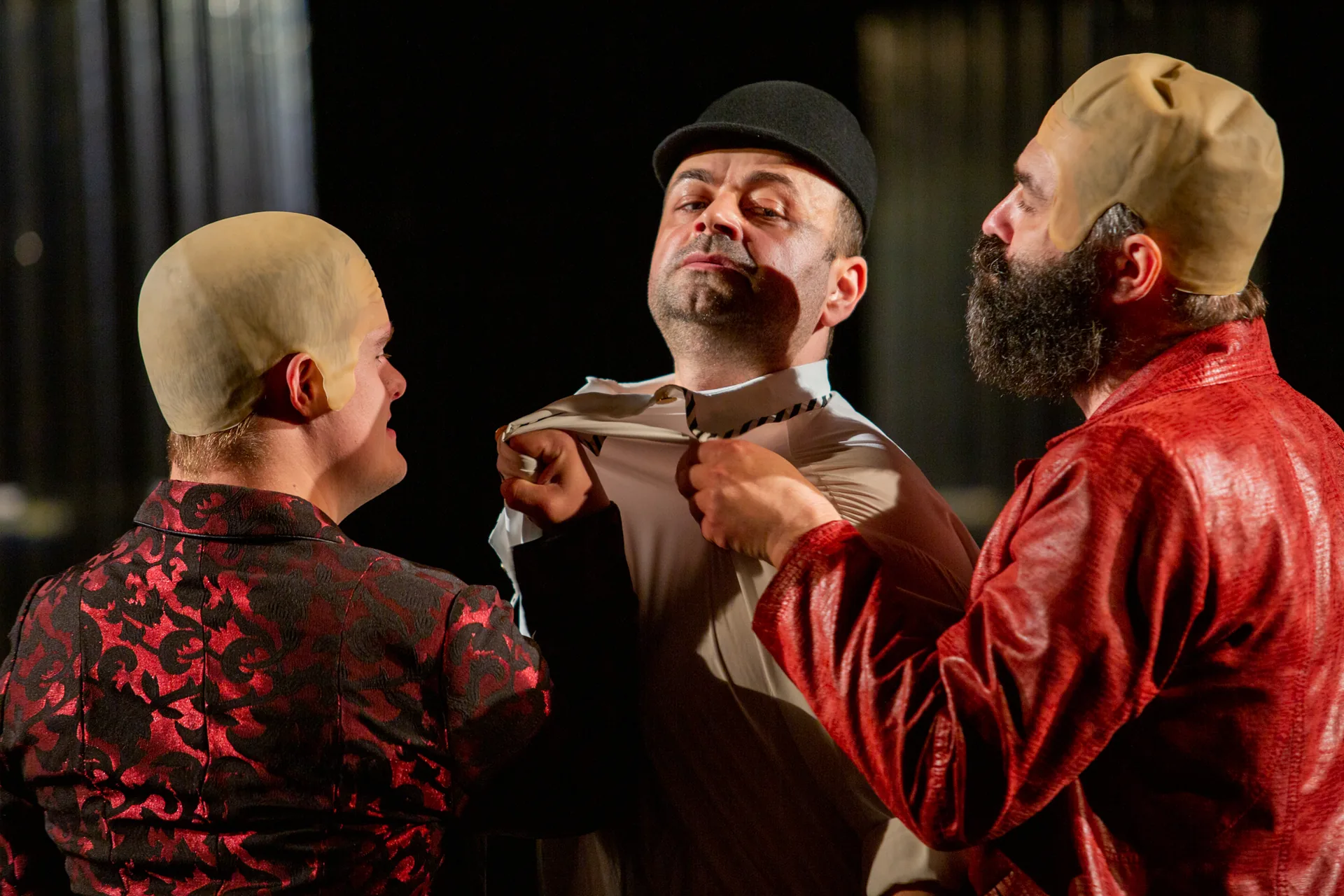
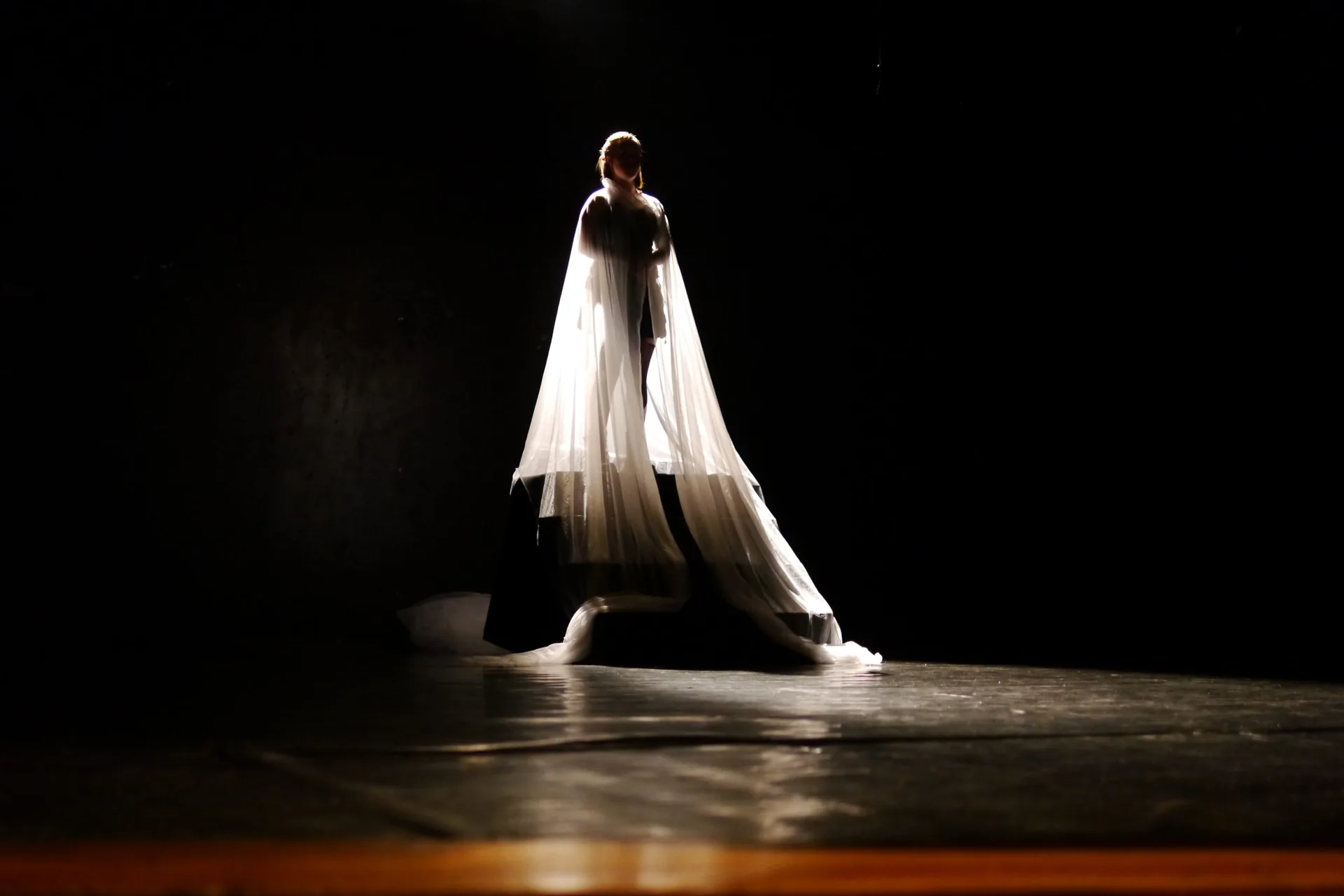
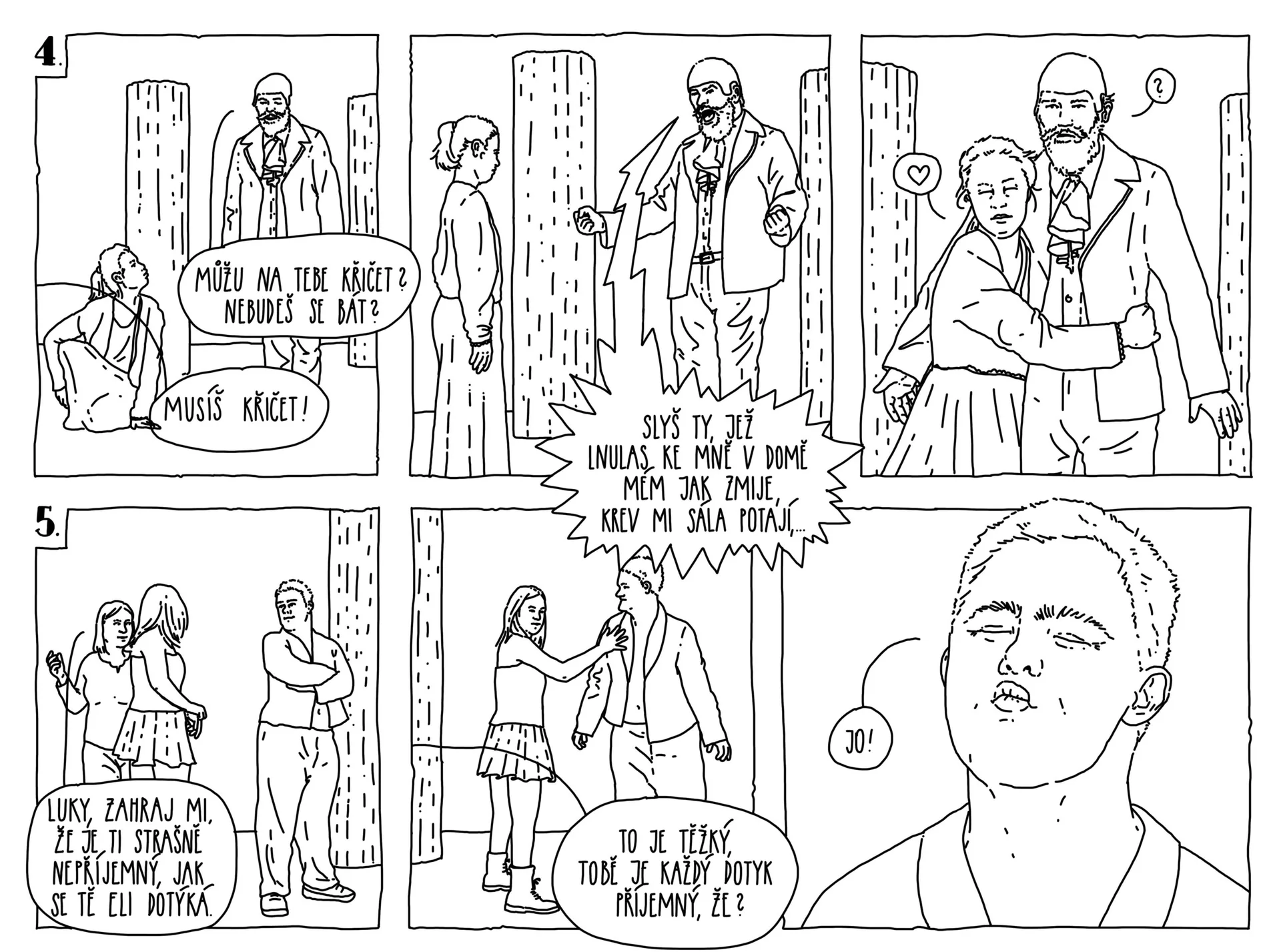
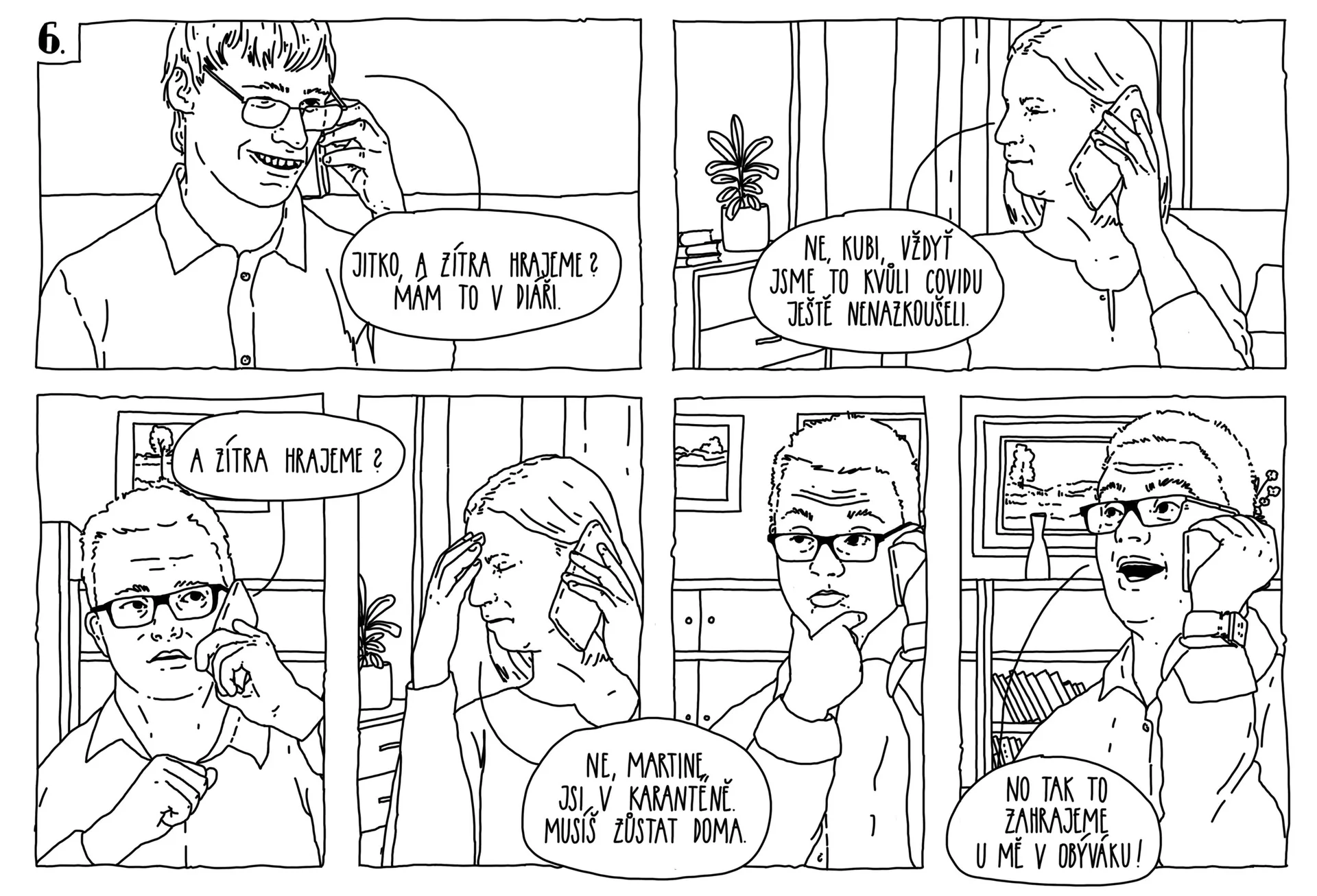
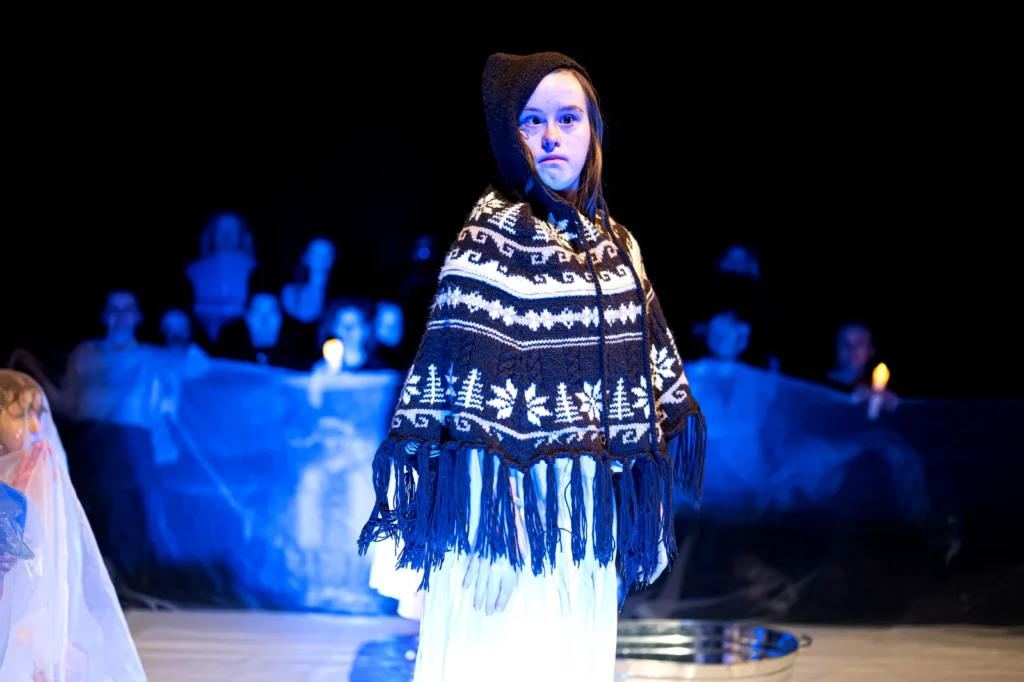
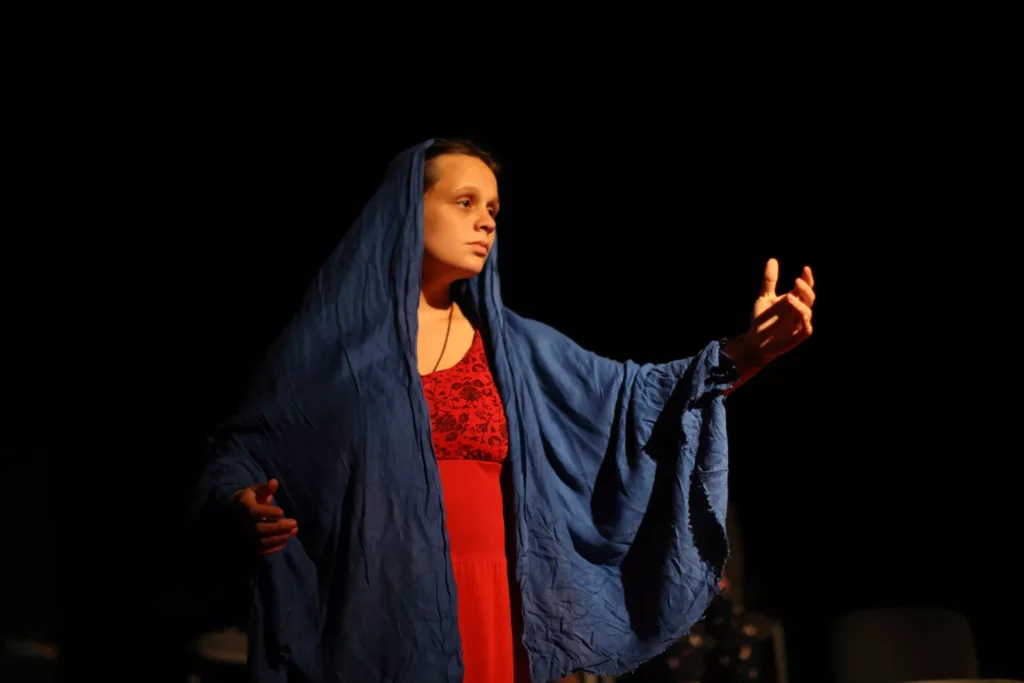
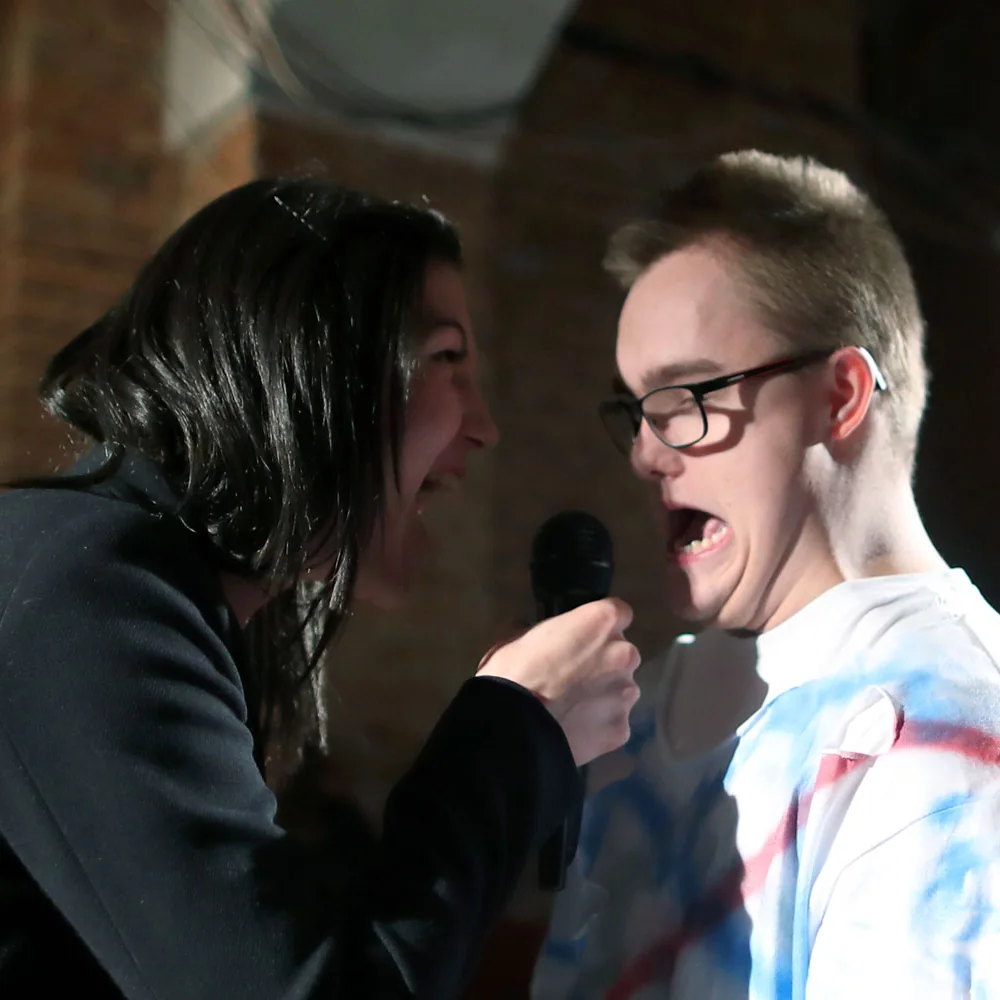
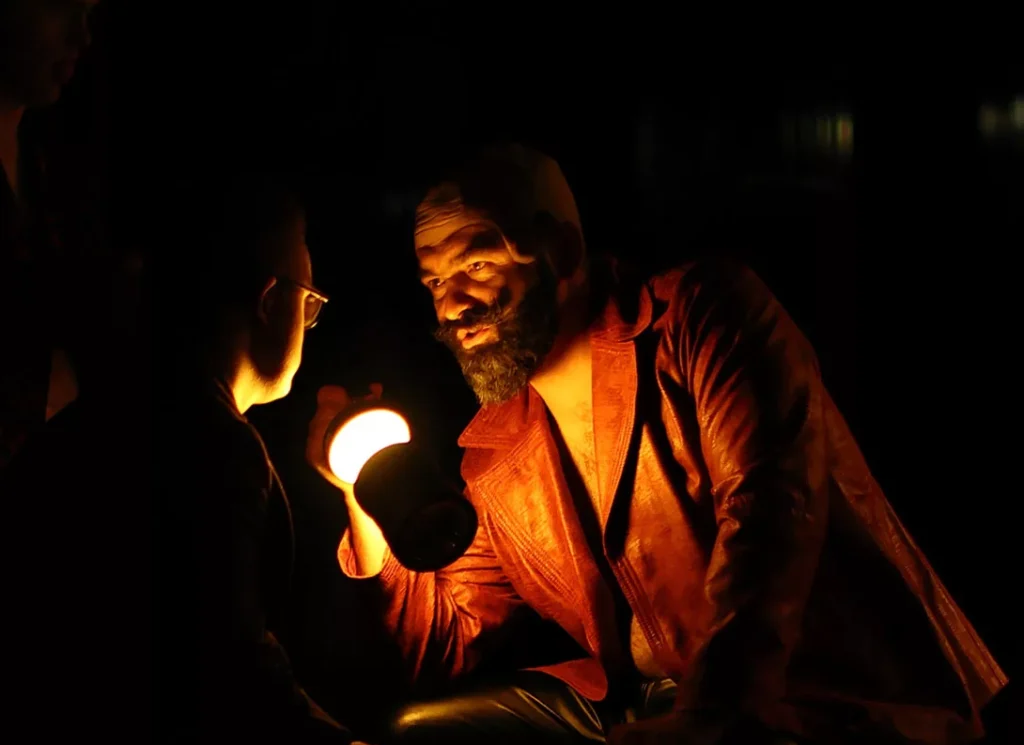
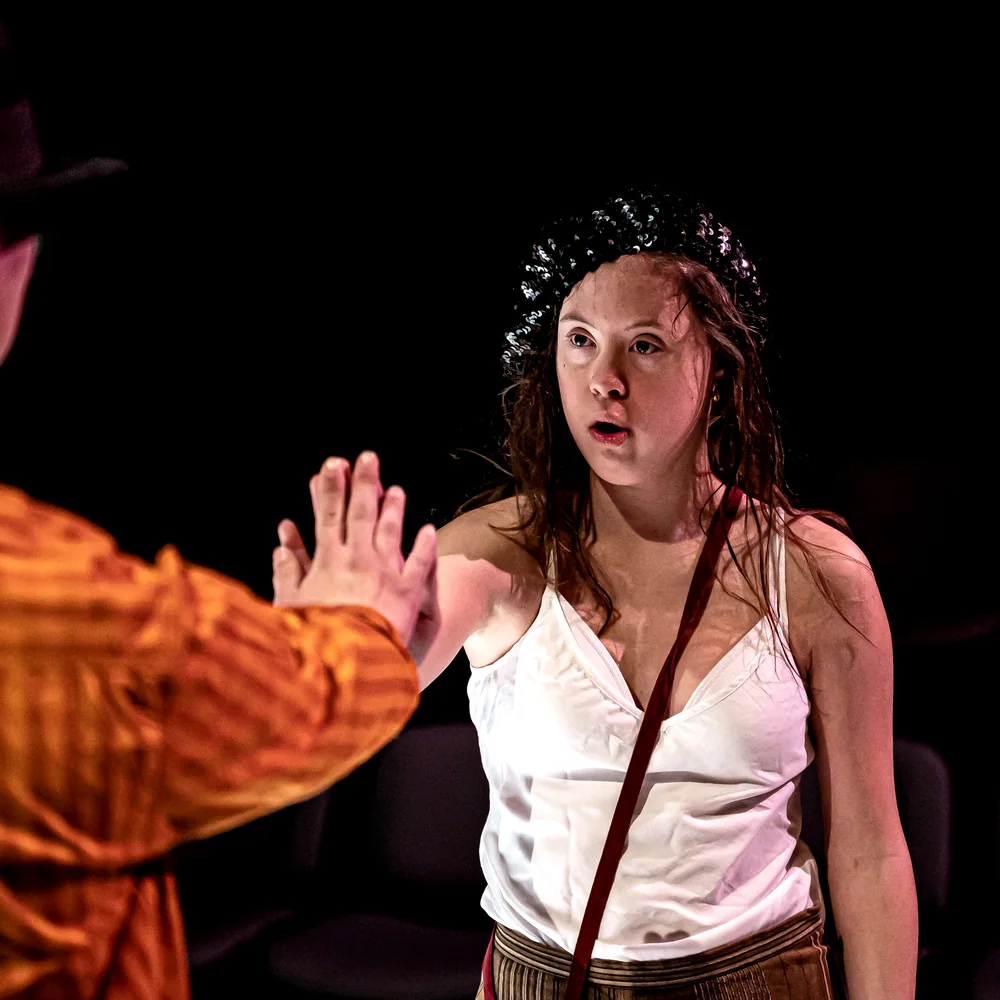
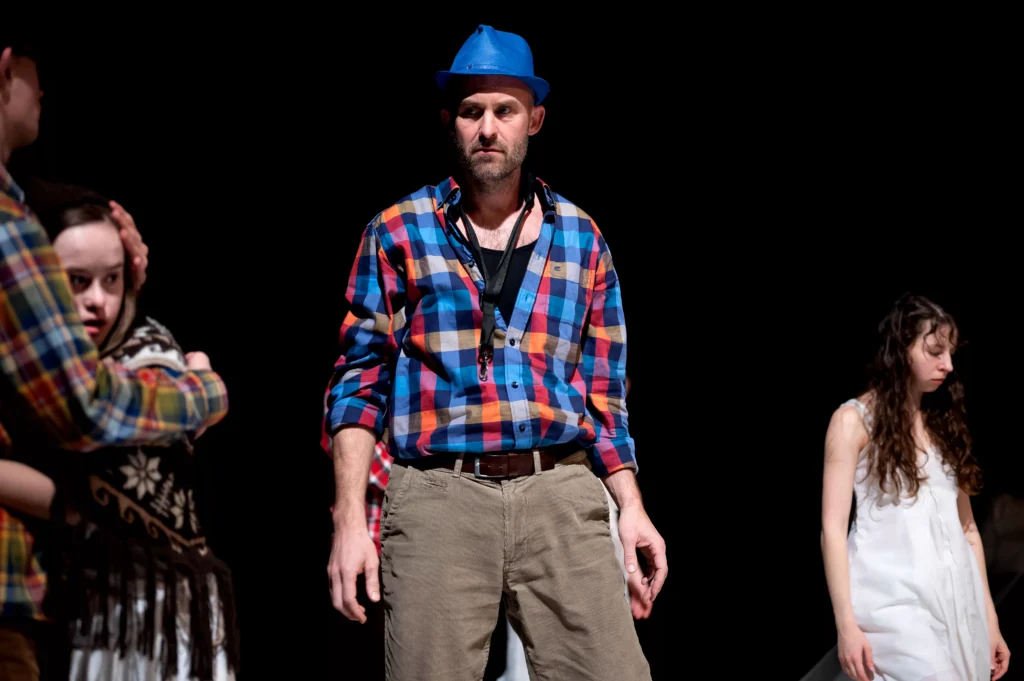
A play of light and shadow, the melody of speech. The production alternates the classical text with scenes from the present day, revealing how relevant the theme remains for today’s world.
Upcoming performances

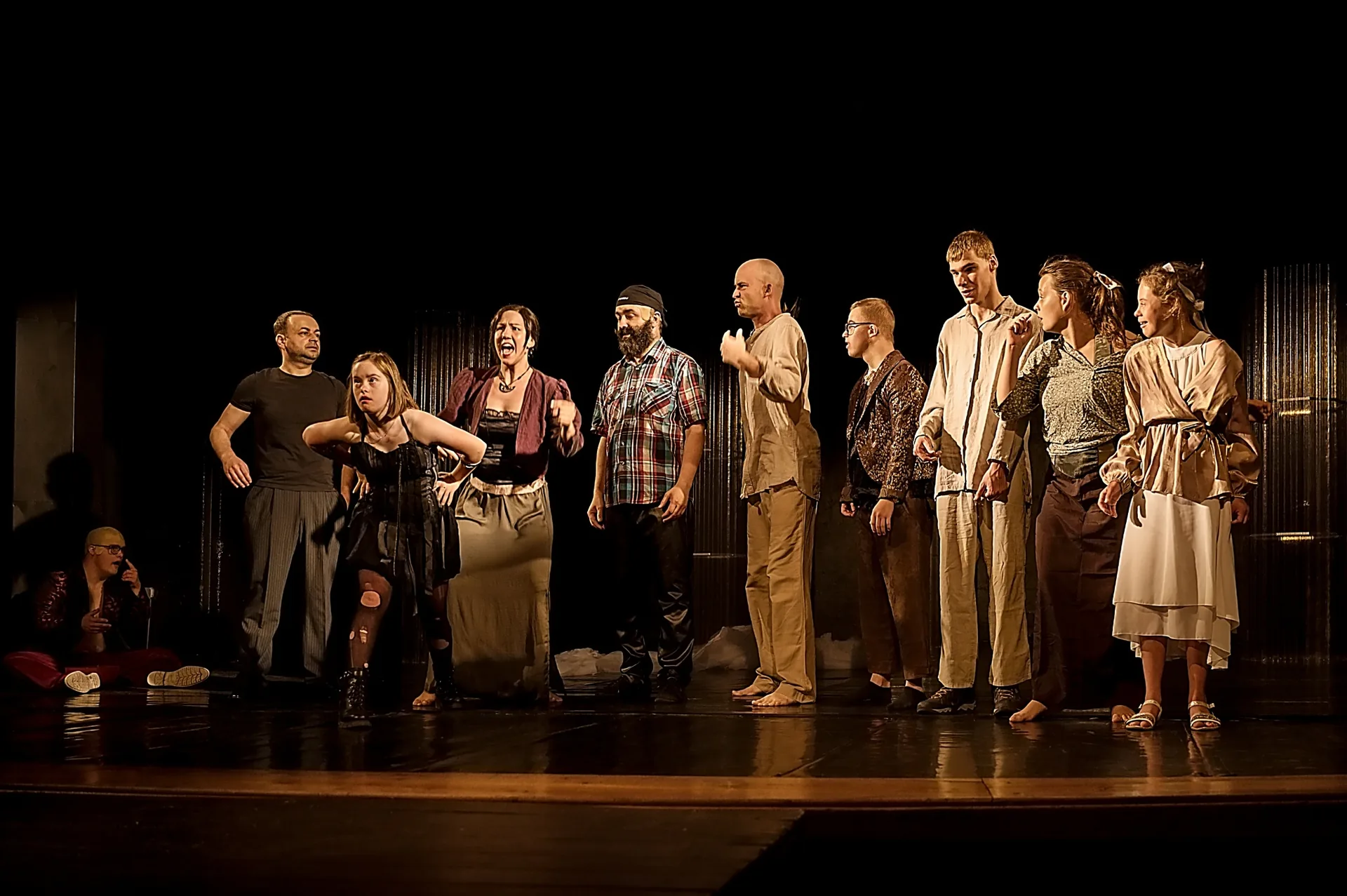
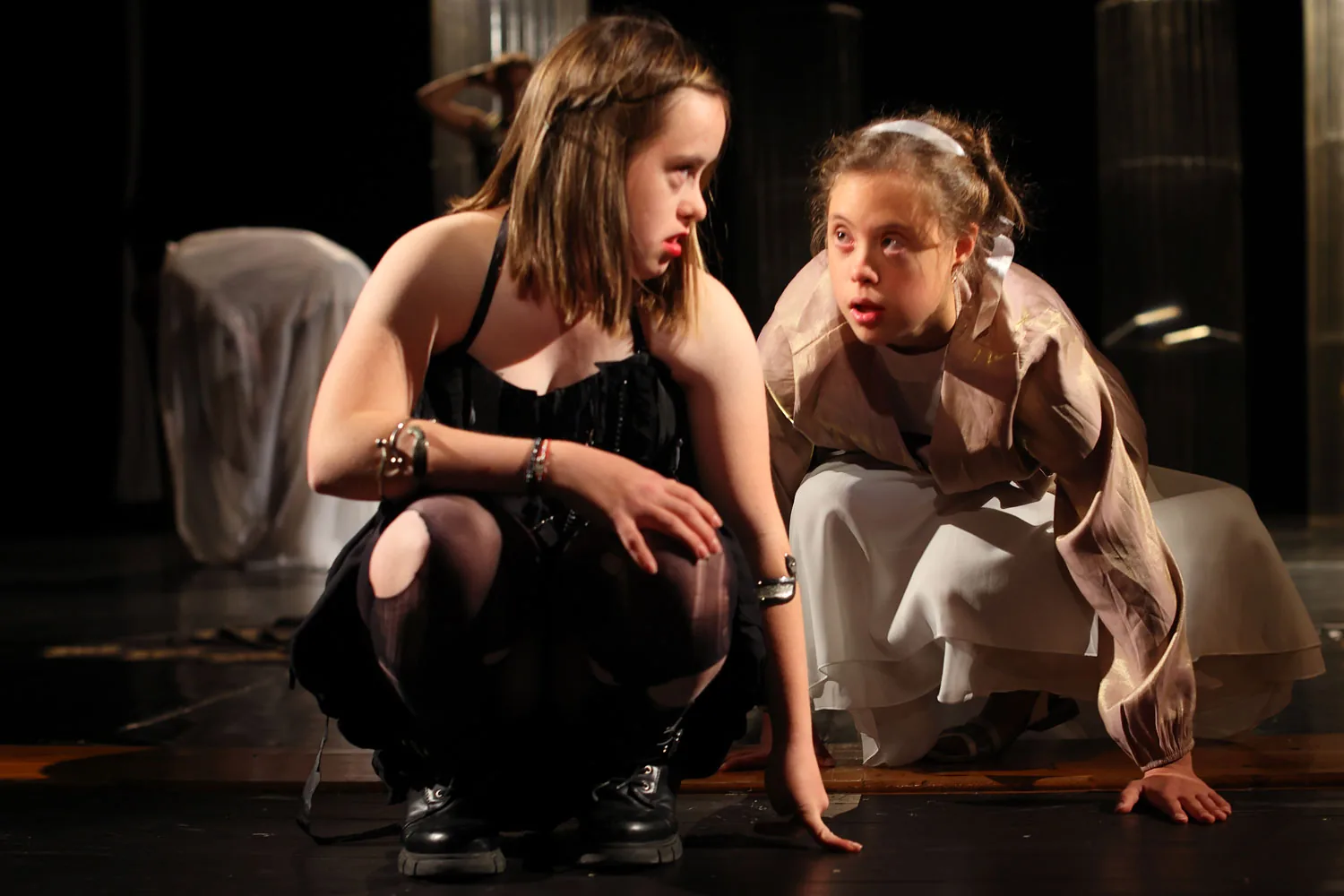
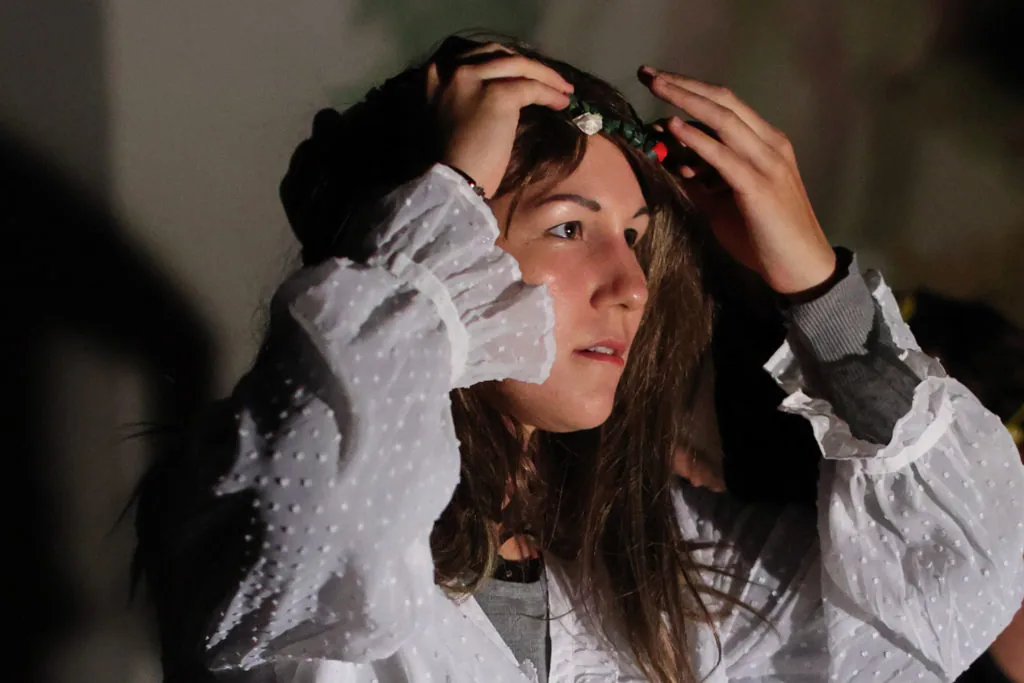
“Antigone is about grief, about the love between sisters and about family, about the love of Antigone and Haemon,” says Hana Bartoňová, who plays Ismene. A theme that is usually suppressed (love) pushes its way to the foreground thanks to our actors. Thanks to them, new thematic layers enter the production, and layers that would otherwise be sidelined are brought out.
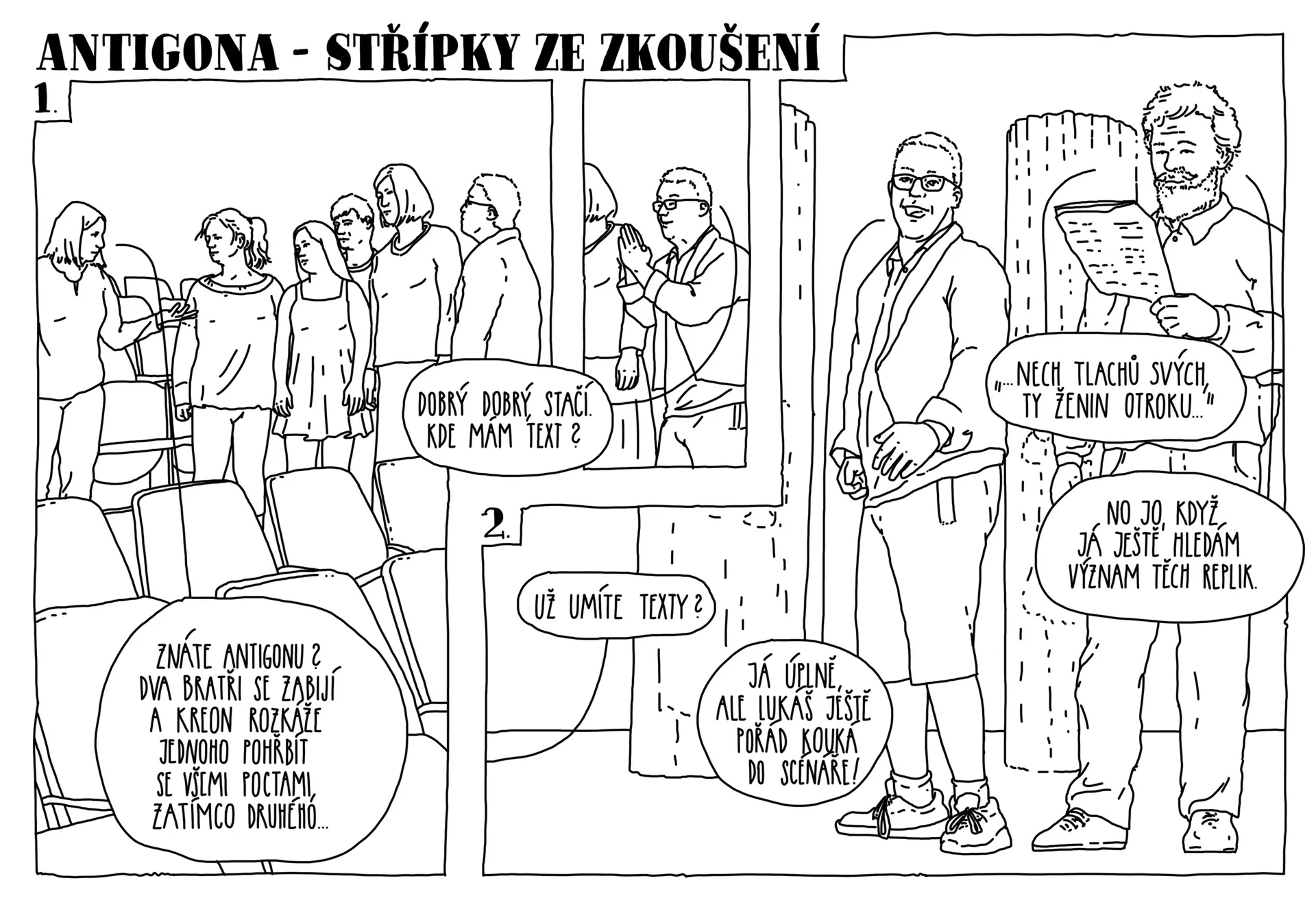
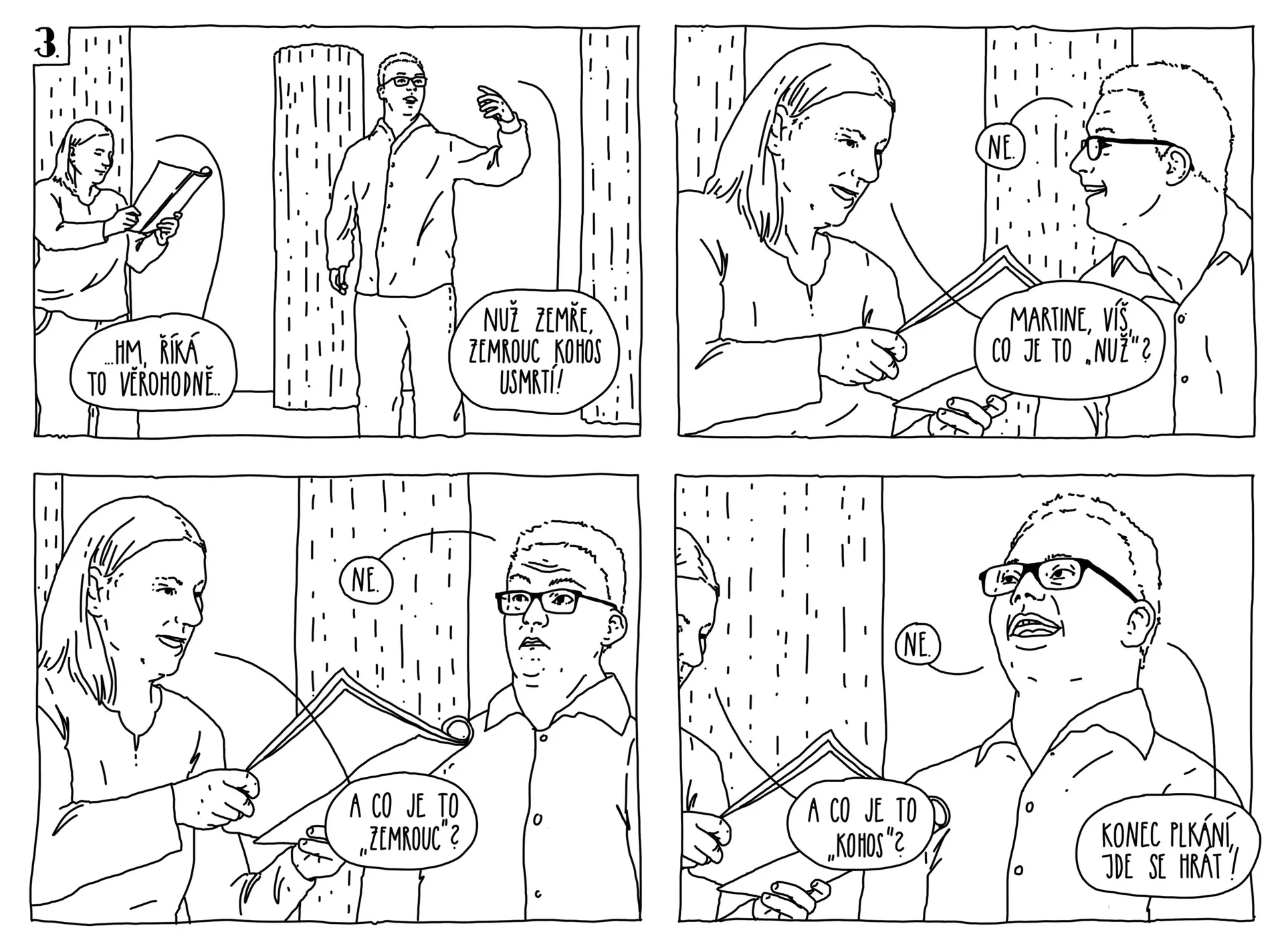
Our Antigone is at the same time an intersection of the life experience and personal worldview of each of us, regardless of our age or disability. We believe that only this dialogue can create something that transcends every one of us.
We perform Sophocles’ Antigone in Ferdinand Stiebitz’s translation.
How the audience sees it
Photo gallery
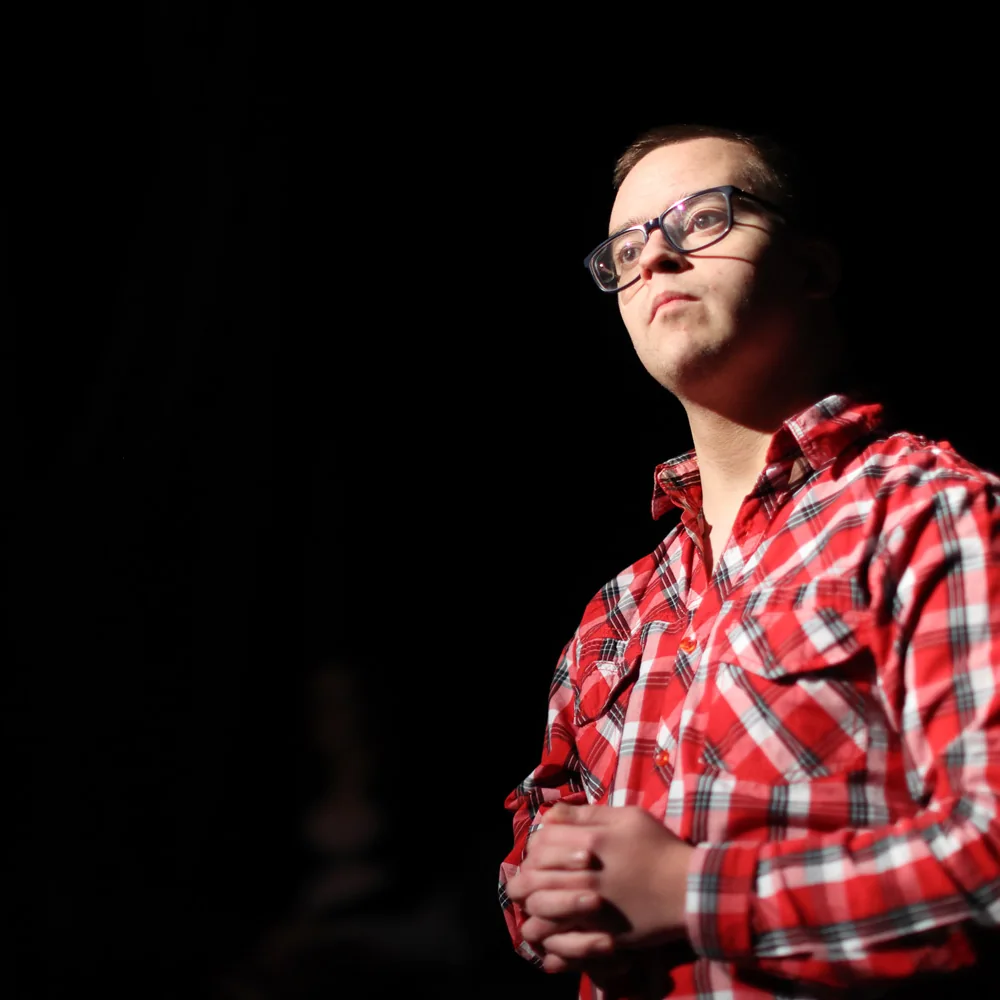
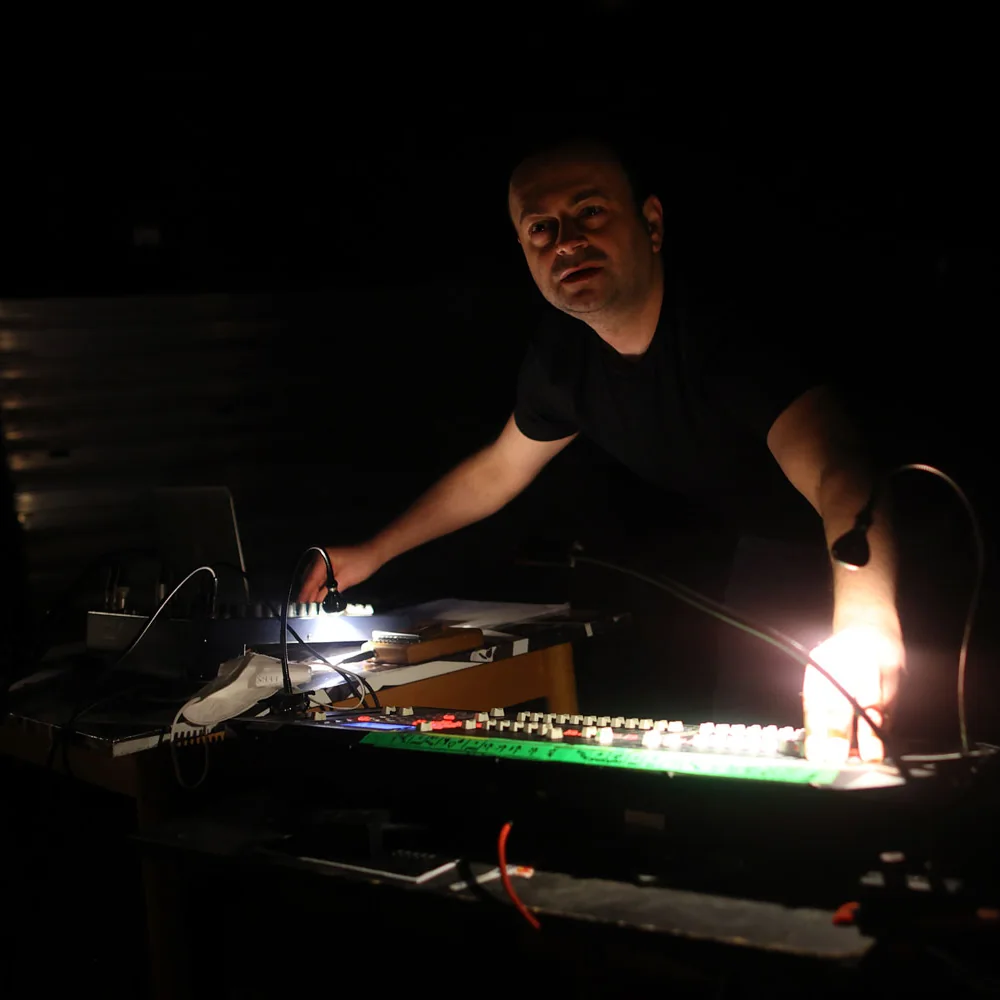
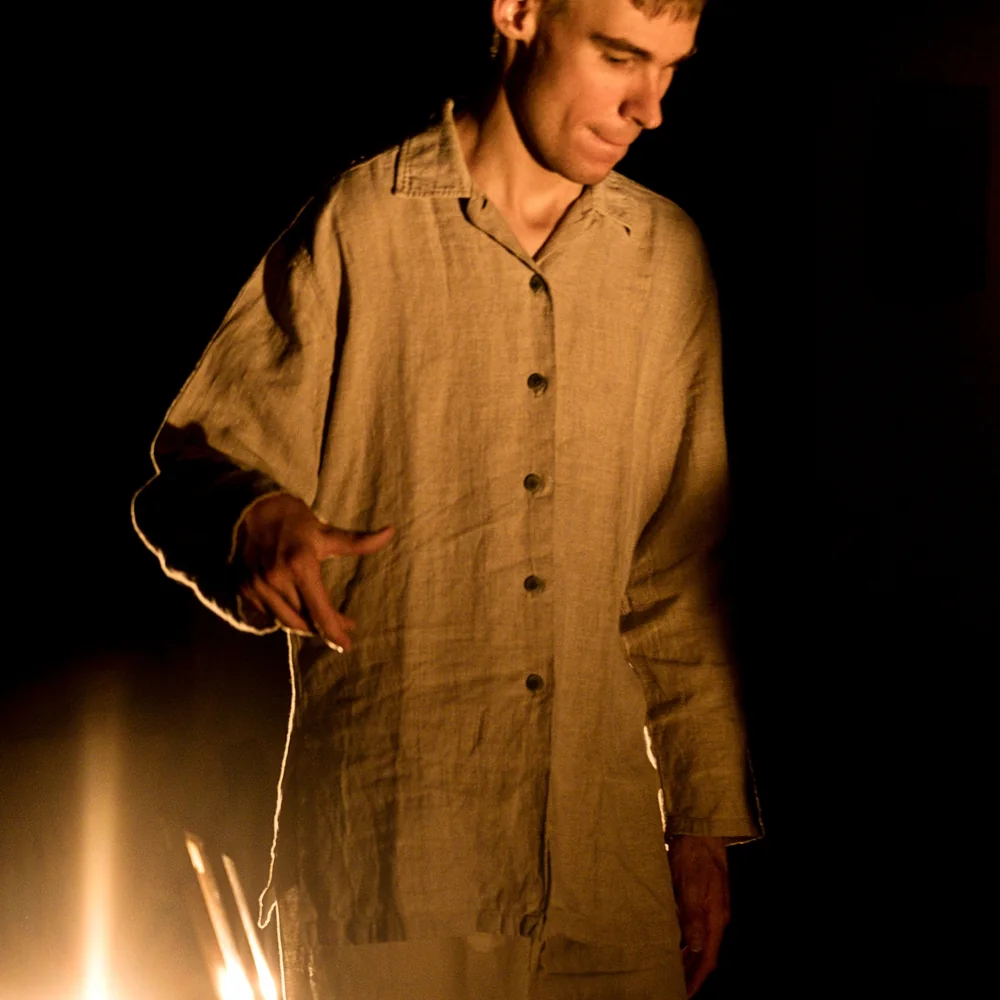
Played by

SUPPORT AND COLLABORATION
The production was created with the support of the Technology Agency of the Czech Republic under the Éta programme as a project of the Theatre Faculty of JAMU. We thank the copyright holder, Mr Vladimír Juda, for the free use of Ferdinand Stiebitz’s translation.


Support Aldente

